

Many people go through life feeling like circumstances are constantly working against them. They feel stuck, unlucky, or powerless to change their situation. This way of thinking is often referred to as a victim mentality.
The problem with this mindset is that it can quietly shape how you see the world. Instead of looking for opportunities or solutions, you begin expecting things to go wrong. Over time, this belief can affect your relationships, career, financial situation, and overall happiness.
The good news is that a victim mindset is not permanent. With awareness and effort, it is possible to shift your thinking, regain control, and create a more positive and empowering life.
In this guide, we’ll explore what the victim mentality is, how it develops, and practical steps you can take to overcome it.
What Is a Victim Mentality?
A victim mentality is a pattern of thinking where a person consistently believes they have little control over their life. Instead of seeing challenges as temporary or solvable, they assume life is unfair and that things will always work against them.
This mindset often develops early in life. If someone grows up hearing constant complaints or negativity, they may unconsciously adopt the same outlook.
Over time, the mindset becomes reinforced through everyday thoughts and conversations.
Common phrases people with a victim mindset often say include:
-
“I can’t do that.”
-
“Nothing ever works out for me.”
-
“I’m always stuck in the same place.”
-
“Life is unfair.”
-
“Why does this always happen to me?”
While everyone experiences difficult moments, the victim mentality turns temporary setbacks into a permanent belief about life.

Why a Victim Mindset Holds You Back
When you see yourself as a victim, you begin to believe that success or improvement is outside of your control.
This creates several problems:
-
Low confidence – You doubt your ability to improve your situation.
-
Fear of trying – If you expect failure, you may avoid taking action altogether.
-
Negative thinking patterns – You focus on problems rather than solutions.
-
Missed opportunities – Opportunities often go unnoticed when you expect things to go wrong.
The result is a cycle where nothing changes because you never feel empowered enough to try. Breaking this cycle starts with recognizing the mindset and choosing to change it.
7 Practical Ways to Stop Being a Victim
1. Reflect on Your Past
A victim mentality often has roots in childhood experiences. You may have grown up in an environment where:
-
Complaining was common
-
Responsibility was avoided
-
Confidence was undermined
-
Control over decisions was limited
Reflecting on your past helps you understand how these beliefs formed.
However, understanding the cause is not about blaming others. It’s about gaining awareness so you can begin changing the pattern.
2. Examine Your Current Situation
Take a moment to honestly evaluate your life today.
Ask yourself:
-
Where do I feel powerless?
-
What situations trigger my complaints?
-
When do I feel most stuck?
Identifying these patterns allows you to see where the victim mindset is affecting your decisions. Awareness is the first step toward change.
3. Take Back Control of Your Life
Sometimes people feel controlled by others—such as bosses, family members, or partners.
But often the reality is more complex. In many cases, we give others control because it feels easier than taking responsibility ourselves.
Taking control means acknowledging that your decisions, actions, and responses shape your life more than you may realize.
This shift in thinking can be incredibly empowering.
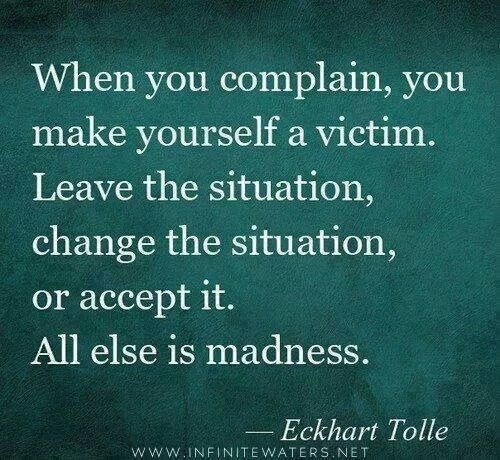
4. Choose to Be the Victor, Not the Victim
At some point, you must decide which role you want to play in your own story.
You can continue to see yourself as someone life happens to—or you can choose to become someone who actively shapes their future.
This change begins with replacing blame with accountability.
Instead of asking:
“Why is this happening to me?”
Ask:
“What can I do to improve this situation?”
That simple change in perspective can dramatically alter your mindset.
5. Use Positive Affirmations
Affirmations can help reshape your internal dialogue and replace negative thinking patterns.
Some examples include:
-
“I am capable of creating positive change in my life.”
-
“I have control over my decisions and actions.”
-
“Challenges help me grow stronger.”
-
“I believe in my ability to succeed.”
Repeating positive statements regularly can gradually replace limiting beliefs with empowering ones.
6. Surround Yourself with Positive Influences
Your environment has a powerful impact on your mindset. If you spend time with people who constantly complain or criticize, negativity becomes normal.
On the other hand, supportive and optimistic people can inspire you to grow.
Positive individuals tend to:
-
Encourage your goals
-
Celebrate your achievements
-
Help you stay motivated
Negative people often do the opposite, draining your energy and confidence. Choose your environment carefully.
7. Practice Meditation and Stress Management
Stress and negativity can reinforce the victim mindset. Practicing meditation or relaxation techniques helps calm your mind and release negative energy.
A simple practice might include:
-
Sitting quietly and focusing on slow breathing.
-
Relaxing your muscles and clearing your mind.
-
Visualizing the life you want to create.
Regular meditation can help shift your thinking away from worry and toward clarity and self-control.
Final Thoughts: You Are Not Powerless
The victim mentality can make life feel overwhelming and unfair. But the truth is that you have far more control over your life than you might believe.
Change begins with awareness, responsibility, and a willingness to challenge negative thinking patterns.
By shifting your mindset, surrounding yourself with positive influences, and taking consistent action, you can begin to build a life defined not by circumstances—but by your choices.
You don’t have to remain stuck. The moment you stop seeing yourself as a victim is the moment you begin taking control of your future.
