
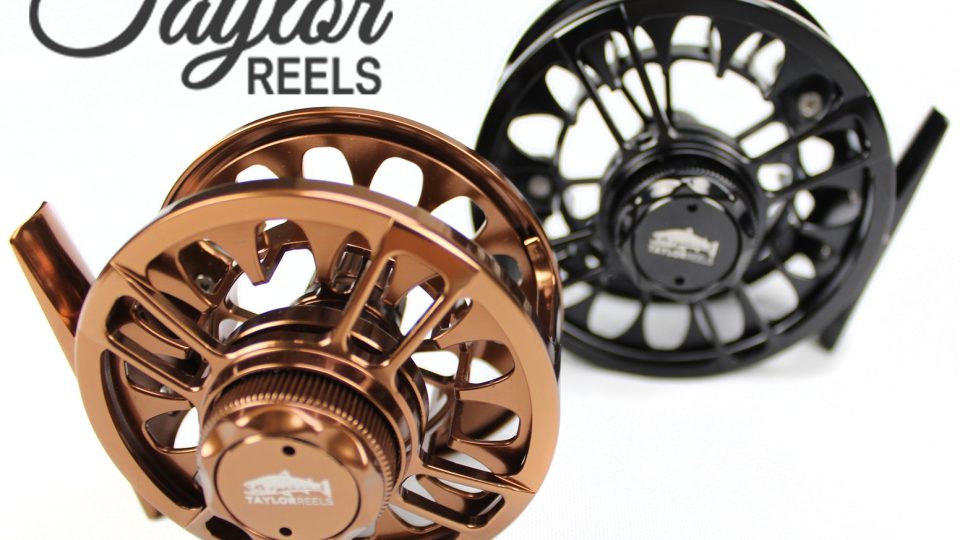
Choosing the right fly fishing reels, is an important step in setting up your fly fishing gear.
While reels may seem simple at first glance, the right choice can make a big difference to your overall fishing experience, especially when fighting fish of different sizes and species.
At their core, fly fishing reels serve two main purposes:
-
Storing your fly line
-
Providing controlled drag when a fish is hooked
Most fly fishing reels are made from aluminum. When selecting a reel, it’s worth paying attention to build quality.
Cheap cast or moulded aluminum reels can crack or fail under pressure, while reels machined from a solid block of aluminum are generally stronger, more durable, and longer-lasting.
There are two primary types of fly fishing reels used today: Spring and Pawl reels and Disc Drag reels.

Spring and Pawl Fly Fishing Reels
The Spring and Pawl fly fishing reel is the traditional design and remains popular with many anglers, especially those targeting smaller fish.
This reel type provides a very smooth and consistent resistance as a fish pulls line from the reel. That smoothness makes it ideal for species with softer mouths, such as trout, and for anglers using lighter tippets. The gentle drag helps reduce the risk of snapping fine line during sudden runs.
For delicate presentations and technical fishing situations, spring and pawl fly fishing reels are often the preferred option.
Disc Drag Fly Fishing Reels
Disc drag fly fishing reels are a more modern design and operate similarly to a disc brake system in a car. These reels are built to handle stronger fish and heavier pressure.
They are particularly well-suited for larger species or situations where a powerful fish may make long, fast runs. Disc drag systems allow anglers to apply more stopping power and finer drag adjustments.
While disc drag reels are not always as silky-smooth as spring and pawl reels, this difference is rarely noticeable in most fishing situations.
For bigger fish, saltwater fly fishing, or aggressive freshwater species, a disc drag fly fishing reel is often the better choice.
Understanding Basic Fly Fishing Terms
Like many outdoor sports, fly fishing comes with its own set of terminology. Learning a few common terms makes it much easier for beginners to follow conversations, read guides, and communicate with more experienced anglers.
Below are some basic fly fishing terms every beginner should know:
Common Fly Fishing Definitions
- Back-cast – The backward motion of the cast that allows the fly line to unfurl before being cast forward.
- Buzzer – A term used to describe flies or insects that hover or move across the surface of the water.
- Cover – Casting a fly into an area likely to hold fish.
- Fly – An artificial lure designed to imitate insects, baitfish, or attract fish through colour and movement.
- Fly Line – A specially weighted synthetic line that allows the fly to be cast.
- Fly Reel – The device that stores the fly line and provides drag when a fish is hooked.
- Fly Rod – A rod designed specifically for fly fishing, commonly made from bamboo, fibreglass, or graphite.
- Jig – A small artificial lure with a weighted head, often dressed with feathers or soft materials.
Final Thoughts on Fly Fishing Reels and Terminology
The terms listed above cover only the most common language used in fly fishing, but they’re more than enough to help beginners get started.
As anglers gain experience, they naturally pick up additional terminology and develop a deeper understanding of gear, techniques, and fish behavior.
By choosing the right fly fishing reel and learning the basics of fly fishing language. New anglers can enjoy a smoother learning curve and get more out of every trip on the water.
