
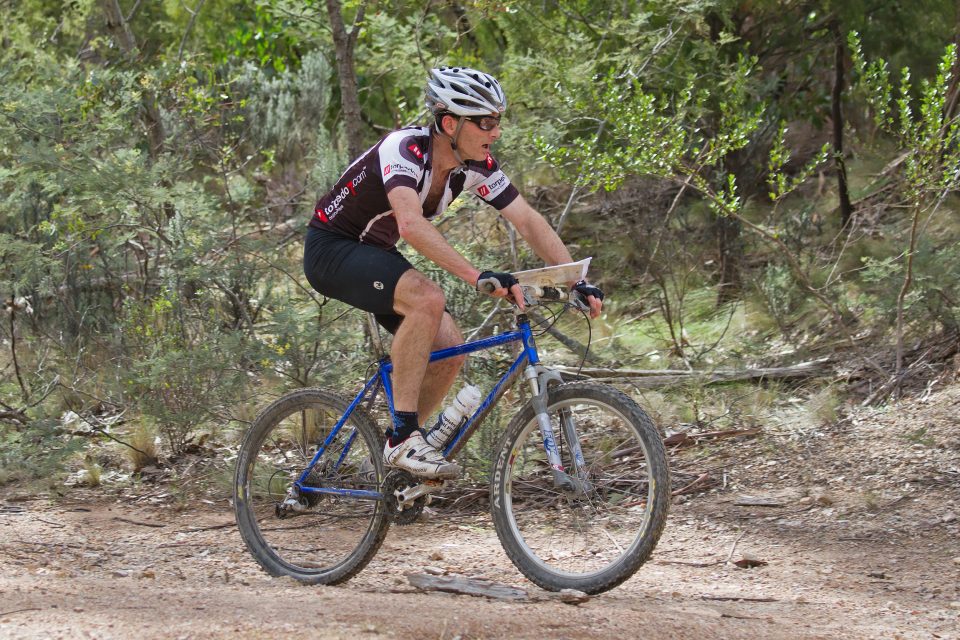
Buying a mountain bike today is so much easier than it used to be. But it comes with more options than ever, it can still feel overwhelming.
Geometry, wheel sizes, suspension travel, drive-trains and price points all play a role in finding the right bike for how you actually ride. Its a fantastic way to stay fit and healthy.
Use the guide below to cut through the noise and focus on what matters most when choosing a mountain bike you’ll enjoy riding regularly.
Set a Realistic Budget (and Stick to It)
Mountain bikes now range from entry-level models around a few hundred dollars to high-end machines that cost more than a small car. Before you start shopping, decide on a comfortable budget range and be honest about how often and how hard you’ll ride.
As a general rule:
-
Entry-level ($800–$1,200): Best for casual trail riding and fitness.
-
Mid-range ($1,500–$3,000): Ideal for regular riders who want better suspension, brakes and durability.
-
High-end ($3,000+): Designed for aggressive trail, enduro or downhill riders who demand performance.
Buying from a local bike shop remains one of the smartest moves. You’ll get proper sizing, setup, ongoing support and warranty assistance—things online or big-box retailers simply can’t match.
Choose a Bike That Matches How You Ride
Modern mountain bikes are purpose-built for specific riding styles. Think about the terrain you ride most often, not what looks impressive in the shop.
Common categories include:
-
Cross-Country (XC): Lightweight, efficient, designed for speed and climbing.
-
Trail: The most versatile option for everyday riders; balanced climbing and descending.
-
Enduro / All-Mountain: Built for steep, technical descents while still capable of climbing.
-
Downhill: Heavy-duty bikes designed for lift-accessed riding and bike parks.
Choose a bike that suits your riding reality, not someone else’s idea of what you should ride.
Hardtail vs Full Suspension: Know the Trade-Offs
This decision still matters, but technology has narrowed the gap.
-
Hardtails
-
Lighter and more affordable
-
Efficient pedalling
-
Lower maintenance
-
Best for smoother trails and XC riding
-
-
Full-Suspension Bikes
-
Better comfort and control on rough terrain
-
Improved traction and confidence on descents
-
Heavier and more expensive
-
Ideal for trail, enduro and technical riding
-
If your trails are rocky, rooty or steep, full suspension is worth the investment. If you value simplicity and efficiency, a hardtail still makes a lot of sense.
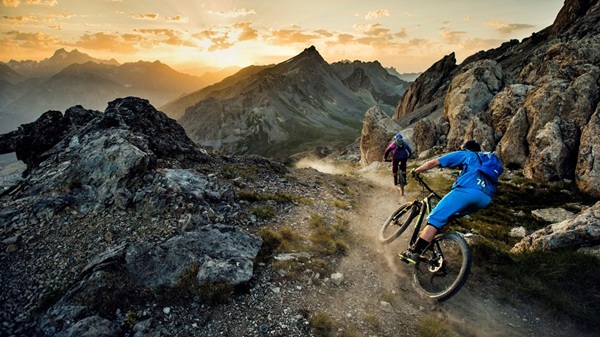
Focus on Key Components That Matter
Comparing bikes component-by-component can get complicated fast. Instead, prioritise the parts that affect performance and reliability the most:
-
Suspension fork: Quality matters more than travel numbers.
-
Brakes: Hydraulic disc brakes are now standard—look for reputable brands.
-
Drivetrain: Modern 1x (single-chainring) systems are simpler and more reliable.
-
Wheels and tyres: Strong wheels and trail-appropriate tyres make a big difference to ride feel.
It’s better to buy a well-balanced bike than one standout component paired with weak supporting parts.
Timing Your Purchase Can Save You Money
Mountain bike pricing still follows seasonal patterns:
-
Spring and summer: Highest demand and fewer discounts.
-
Autumn and winter: Best time for sales, run-out models and package deals.
Many bike shops also include free servicing, accessories or discounted upgrades—value that’s often worth more than a small upfront discount.
Choose the Right Bike Shop, Not Just the Lowest Price
A good bike shop does more than sell bikes. Look for a dealer that:
-
Takes time to understand how you ride
-
Helps with proper sizing and setup
-
Has a clean, organised workshop
-
Offers ongoing support and servicing
The right shop relationship can improve your riding experience long after the purchase.
Always Test Ride Before You Buy
Numbers on a spec sheet don’t tell the whole story. Test riding reveals:
-
Fit and comfort
-
Handling and stability
-
How confident you feel on the bike
When buying a mountain bike, ride as many suitable bikes as you can. One will usually stand out, and that’s often the right choice.
Do Your Homework Before Committing
Online reviews, owner feedback and professional tests provide valuable insight into real-world performance and durability.
Look for consistent feedback rather than one-off opinions, and pay attention to long-term reliability and service experiences.
The Wash-up
Buying a mountain bike is just about the most expensive or the trendiest. It’s the one that fits your body, your terrain and your riding goals.
Take your time, ride a few options, and choose a bike that makes you want to get out and ride more often.
